What Is Gestational Diabetes? Does It Affect the Baby?
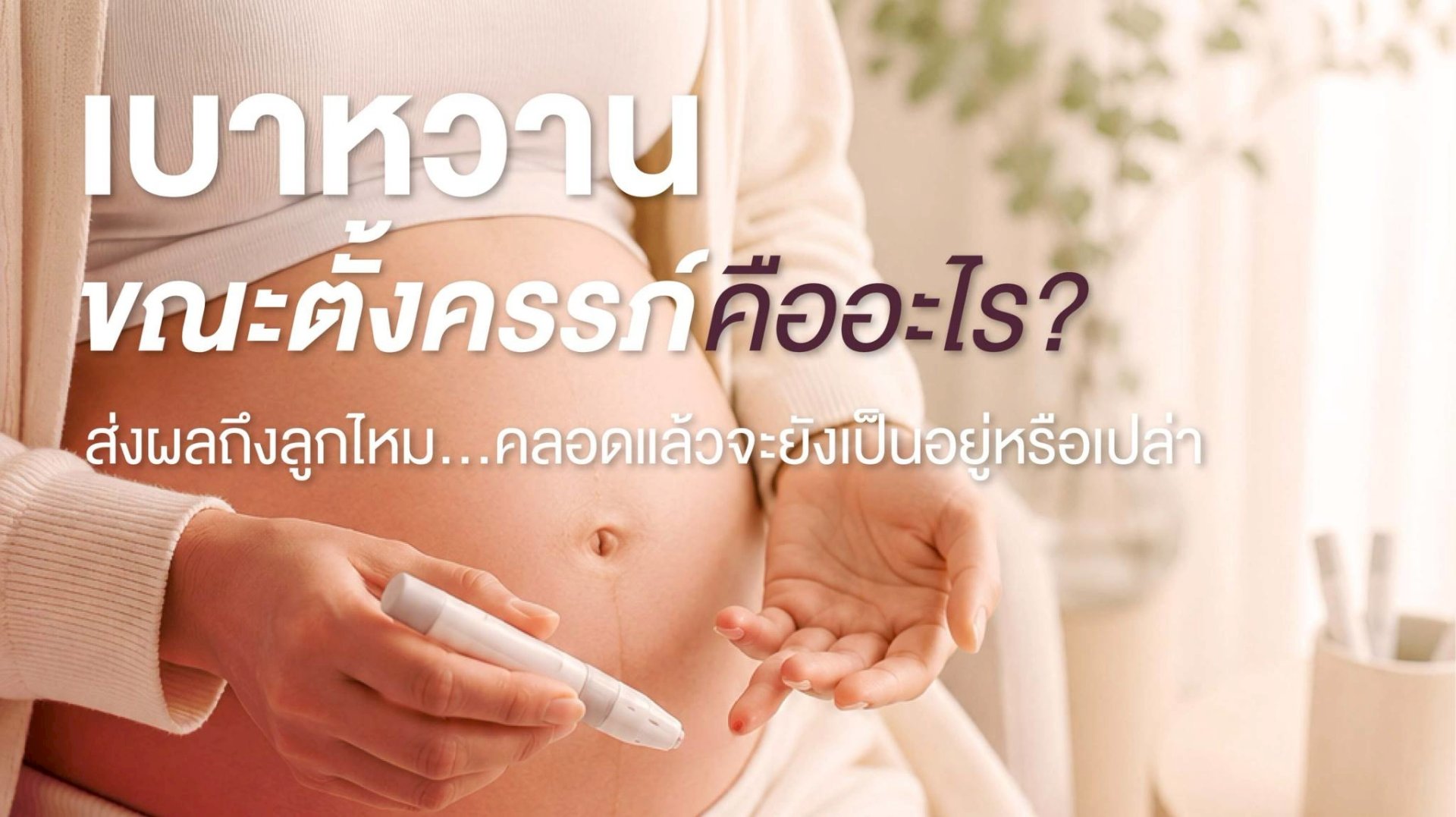
Gestational diabetes is a condition in which blood sugar levels become high during pregnancy. It can happen even if the mother has never had diabetes before. This condition may affect both the mother and the baby, but if it is detected early, blood sugar is well controlled, and proper care is provided, the risks can be significantly reduced.
Many mothers may have heard the term diabetes during pregnancy and immediately felt worried, unsure whether it is dangerous, whether it affects the baby, and whether it will still remain after delivery.
In this article, AVIOLA provides a simple summary covering:
- What gestational diabetes is
- What causes it and who is at risk
- How it may affect both the mother and the baby
- Whether it goes away after childbirth
- Whether mothers with gestational diabetes can still store stem cells
What Is Gestational Diabetes?
Gestational diabetes is a condition in which blood sugar levels are high during pregnancy and are usually first detected while the mother is pregnant. It can occur even in women who have never had diabetes before.
Normally, the body uses insulin to move sugar from the bloodstream into the cells for energy. During pregnancy, however, several hormonal changes take place, causing increased insulin resistance. If the body cannot produce enough insulin to compensate, blood sugar levels rise and gestational diabetes can develop.
An important point is that gestational diabetes often has no obvious symptoms. Some mothers may feel thirstier or urinate more often than usual, but many may not notice anything until they are screened during antenatal care. In general, screening is often performed around 24–28 weeks of pregnancy, as this is when the body naturally becomes more insulin resistant.
What Causes Gestational Diabetes, and Who Is at Risk?
Gestational diabetes is not caused by eating sweets alone. The main cause is the hormonal changes that occur during pregnancy, which make the body use insulin less effectively, leading to insulin resistance.
Factors that may increase the risk include:
- Being overweight before pregnancy
- Low physical activity
- A family history of diabetes
- A history of gestational diabetes in a previous pregnancy
- Polycystic ovary syndrome (PCOS)
However, some mothers may develop gestational diabetes even without clear risk factors. That is why regular antenatal care and routine screening are so important, as they help doctors detect the condition early and plan appropriate care for both the mother and the baby.
Does Gestational Diabetes Affect the Baby?
Yes, it can. If the mother’s blood sugar remains high and is not well controlled, excess sugar may affect the baby’s health in the womb. Possible effects include:
- A larger-than-average baby
- Difficult delivery
- A higher chance of cesarean section
- Risk of preterm birth
- Low blood sugar after birth
- Breathing problems in the newborn
One common concern many mothers have is:
“If I have gestational diabetes, will my baby have diabetes too?”
The answer is no, the baby does not directly get diabetes from the mother. However, if blood sugar is not well controlled, it may increase the risk of complications during pregnancy and after birth.
In addition, children born to mothers with gestational diabetes may have a higher risk of becoming overweight or developing type 2 diabetes later in life, especially if their long-term health and lifestyle are not well monitored.
That said, there is no need to panic. If gestational diabetes is detected early, blood sugar is well managed, and the mother receives proper medical care, many of these risks can be reduced, making the pregnancy safer for both mother and baby.
Is Gestational Diabetes Dangerous for the Mother?
It can be, especially if blood sugar levels remain high and are not properly controlled. This may increase the risk of:
- High blood pressure
- Preeclampsia
- A more complicated delivery
- A higher chance of cesarean section
Another important point is that mothers who have had gestational diabetes are more likely to experience it again in a future pregnancy and also have a higher risk of developing type 2 diabetes later in life compared with women who have never had it.
For this reason, even if blood sugar returns to normal after childbirth, long-term follow-up should not be overlooked.
Does Gestational Diabetes Go Away After Delivery?
In most cases, the mother’s blood sugar levels return to normal after childbirth. However, follow-up care is still important because women who have had gestational diabetes have a higher risk of developing type 2 diabetes in the future.
AVIOLA recommends that mothers who had this condition should have a blood sugar test about 4–12 weeks after delivery. If the results are normal, repeat diabetes screening should still be done every 1–3 years, depending on medical advice.
So, the answer to the question “Does it go away after delivery?” is:
for many women, blood sugar levels improve after birth, but ongoing follow-up is still necessary because gestational diabetes can be an important warning sign of future blood sugar problems.
How Should Mothers Take Care of Themselves if They Have Gestational Diabetes?
Gestational diabetes should be managed under the guidance of an obstetrician or healthcare team, because each mother’s blood sugar level, weight, gestational age, and the baby’s health may differ.
Common recommendations usually include:
1. Attend regular antenatal appointments and monitor blood sugar as scheduled
This allows doctors to closely monitor both the mother’s and baby’s health.
2. Choose appropriate foods
Start by:
- Reducing sugary drinks
- Cutting down on very sweet foods
- Limiting refined carbohydrates
- Choosing appropriate portions of complex carbohydrates
- Eating more vegetables, protein, and fiber
- Eating meals regularly to help reduce blood sugar fluctuations
3. Stay physically active in a safe way
For example, light walking or pregnancy-safe exercise may help with blood sugar control. However, mothers should always consult their doctor first, especially if there are complications or exercise limitations.
4. Continue health follow-up after childbirth
Even if blood sugar returns to normal after delivery, future risks still remain.
Can Mothers With Gestational Diabetes Still Store Stem Cells?
Yes, they can. Mothers with gestational diabetes can still plan to store stem cells from the umbilical cord, especially if their blood sugar is well controlled and there are no complications that the doctor considers to be a limitation on the day of delivery.
In terms of cell quality, gestational diabetes does not necessarily mean that the stem cells will have reduced potential or cannot be stored, particularly when the mother’s blood sugar is maintained within the range recommended by her doctor.
In summary, mothers with gestational diabetes can still store stem cells. However, they should consult their doctor and inform the AVIOLA team in advance so that the collection plan can be arranged appropriately and as safely as possible.
Summary
Gestational diabetes is a condition in which blood sugar levels become high during pregnancy, even in mothers who have never had diabetes before. It may affect both the mother and the baby, but if detected early, properly managed, and followed closely under medical care, the risks can be reduced significantly. In most cases, blood sugar levels improve after childbirth, but ongoing follow-up remains important.