What Are Cord Blood Stem Cells? Why Families Store Them

What Are Cord Blood Stem Cells? Why Many Families Choose to Store Them
As more families begin planning for their child’s health from the very first day of life, the terms cord blood stem cells and newborn stem cells are being discussed more and more. This is because they represent a unique health-planning opportunity that is available only once—at the time of birth.
In this article, AVIOLA will walk parents through the basics: What are stem cells? What are the benefits of storing them? What types of newborn stem cells can be collected at birth? And if you are considering stem cell banking, what should you look for when deciding where to store stem cells? Our goal is to make this topic easier to understand, so every decision can be made with greater confidence.
What Are Stem Cells?
Stem cells are the body’s foundational cells. They have two important properties:
- They can divide and multiply.
- They can develop into different types of cells in the body.
In simple terms, stem cells can be thought of as the body’s “starting cells” that may help support the repair, renewal, and replacement of cells that naturally wear down over time.
Stem Cells Exist in Everyone
Did you know that everyone naturally has stem cells in the body? They can be found in blood, bone marrow, fat tissue, baby teeth and wisdom teeth, and—during birth—in the umbilical cord, placenta, and amniotic membrane. These cells play an important role in maintaining balance in the body and supporting internal recovery processes.
What Types of Stem Cells Are Commonly Discussed?
When people talk about stem cells in the context of health planning, they often refer to two major groups:
1. Hematopoietic Stem Cells (HSCs)
These are blood-forming stem cells that play a key role in producing blood cells and supporting the immune system.
2. Mesenchymal Stem Cells (MSCs)
These are stem cells associated with tissue repair, inflammation regulation, and support for the body’s natural healing processes.
Why Do Stem Cells Decline with Age?
Over time, the body is affected by aging, stress, pollution, inflammation, and daily lifestyle factors. As a result, both the number and quality of stem cells naturally decline.
When stem cells decline, the body’s ability to recover and repair itself may also decrease. This is one reason why many families begin to see the value of storing stem cells while they are still young and at their highest quality.
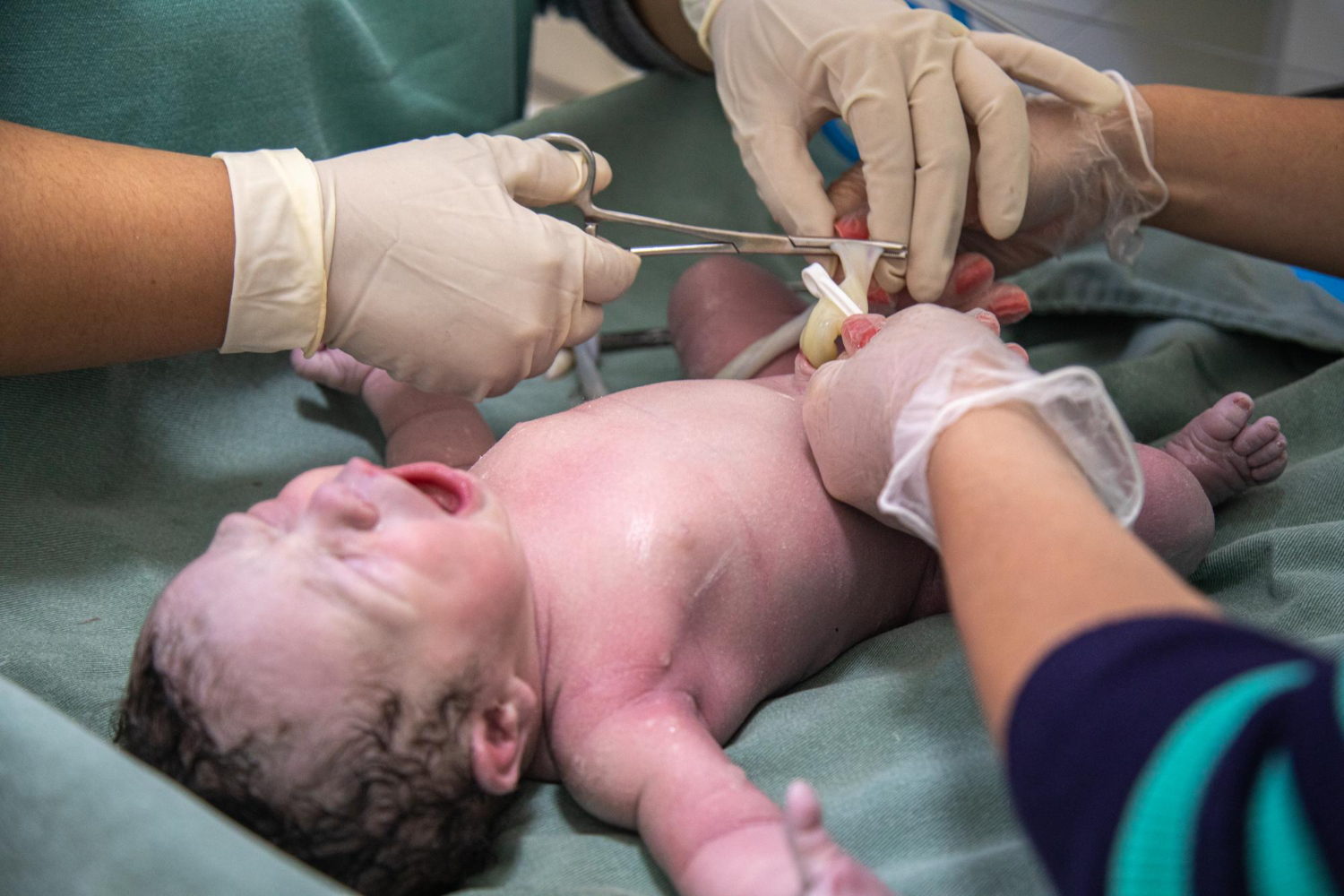
What Types of Cord Blood and Newborn Stem Cells Can Be Collected?
When people hear the term cord blood stem cells or newborn stem cells, they may think that stem cells can only be collected from one source. In reality, several biological sources can be collected at birth, and each has a different medical role.
Cord Blood
Cord blood is an important source of Hematopoietic Stem Cells (HSCs), which are closely related to the blood and immune system. These cells have been used in medical approaches involving certain blood and genetic disorders.
Examples of related conditions include:
- Leukemia
- Lymphoma
- Aplastic anemia
- Thalassemia
- Certain congenital immune deficiency disorders
Cord Tissue
Cord tissue is a source of Mesenchymal Stem Cells (MSCs), which are of great interest in regenerative medicine because they are associated with tissue repair, inflammation regulation, and support for the body’s healing processes.
Today, MSCs are also increasingly discussed in the context of long-term health planning, especially in relation to bones, joints, muscles, blood vessels, and soft tissues.
Amnion
The amniotic membrane is another source of MSCs. It is notable for its purity and has attracted attention in areas such as nerve and tissue regeneration, as well as support for inflammation-related processes in the body.
Placenta
The placenta is a source of MSCs as well as many important biological substances such as growth factors, vitamins, amino acids, and peptides. It has drawn attention in areas including tissue recovery, age-related health support, and in some cases, aspects of maternal recovery after childbirth.
Maternal Adipose Tissue
In addition to cord blood stem cells and other newborn stem cell sources, mothers who deliver by cesarean section may also have another option: storing stem cells from the mother’s own adipose tissue at the same time as delivery.
Adipose tissue is another important source of Mesenchymal Stem Cells (MSCs), which are widely studied for tissue repair, inflammation support, and long-term health planning. In some cases, planning to store stem cells on the day of delivery may therefore involve not only newborn stem cells from the baby, but also an additional biological resource from the mother.
So when we talk about newborn stem cells or stem cells at birth, we are not referring to a single collection point. We are talking about several valuable biological resources that come with a baby’s first day of life.

What Are the Benefits of Storing Stem Cells?
A key question many parents ask is: What are stem cells actually good for, and why do so many families choose to store them at birth?
Here are some easy-to-understand ways stem cells are valued:
- They may help support the body’s internal repair and recovery processes.
- They have a role in medical approaches involving certain blood, immune, and genetic conditions.
- They are of growing interest in regenerative medicine, including support for tissues, bones, joints, muscles, and age-related decline.
- They are also increasingly discussed in the context of overall wellness, healthy aging, and skin health, especially where biological factors and cell-based support are involved.
- They may provide an additional health option for the future. This is not because parents expect that the cells will definitely be needed, but because the future is uncertain, and storing high-quality cells early may hold more value over time.
Why Do Many Families Choose to Store Newborn Stem Cells?
One important reason many families choose to store stem cells at birth is not because they are assuming their child will become ill in the future, but because they want to think about health more carefully and long term.
Many families choose stem cell storage because:
- These are the youngest cells available.
They have not yet been affected by aging, pollution, or illness. - Birth is a once-in-a-lifetime opportunity.
Once delivery has passed, stem cells from the cord and placenta cannot be collected again. - It is a way of preserving options and peace of mind.
The future cannot be predicted, so some families choose to keep this possibility available.
Where Should You Store Stem Cells? What Should Parents Consider?
Another common question parents ask is: Where is the best place to store stem cells? This decision is not only about price. It is also about quality, standards, and confidence in long-term care.
Things parents should consider include:
Laboratory Standards
The facility should have clear, high-quality systems for collection, processing, and long-term storage.
Long-Term Storage System
Stem cell banking is not a short-term service. It may involve storage for more than 10 years, so the cryopreservation system and long-term quality monitoring should be clearly established.
Cell Quality Testing
There should be processes in place to assess and monitor cell quality before and during storage, so the cells can retain the highest possible potential if they are ever needed.
Trustworthiness and Transparency
A good facility should provide information honestly, clearly, and responsibly, without using fear to pressure parents into making a decision.
Guidance and Support Before Delivery
Because the day of birth is such an important moment, having a team that can help parents plan and coordinate in advance makes a meaningful difference.
Summary
Cord blood stem cells are one of the most valuable biological resources because they can only be collected once—at birth. Understanding what stem cells are and the value of newborn stem cells helps parents see that stem cell banking is not about expecting illness. It is about preserving options and peace of mind for the future.
And if you are wondering where to store stem cells, it is important to choose a place that is reliable, well-standardized, and fully prepared to care for cell quality over the long term.
At AVIOLA, we believe families deserve complete and balanced information. With the experience of our scientific team of more than 20 years, we are here to support each family with honest guidance and thoughtful care, so they can make the decision that feels right for them.