What Is Stem Cell Banking? The Future of Health | AVIOLA

What Is Stem Cell Banking? Why Your Health Future May Start at the Cellular Level
Stem Cell Banking — or a stem cell biobank — is the process of collecting and preserving high-quality stem cells from the body using Cryopreservation technology, in order to maintain the cells' potential and integrity over the long term. The stored cells can then serve as a biological resource to support health planning in the future.
Today, stem cell technology and Regenerative Medicine are becoming foundational pillars of Future Healthcare around the world — shifting the direction of medicine from treating illness after it occurs, toward the concept of "restoring health at the cellular level."
In this article, AVIOLA Biobank explains what Stem Cell Banking is, how it works, and why more people are choosing to invest in cellular-level health planning today.
What Is Stem Cell Banking?
Stem Cell Banking is the process of collecting and preserving the body's stem cells in a specialised frozen state, so that the cells retain their quality and biological potential for as long as possible.
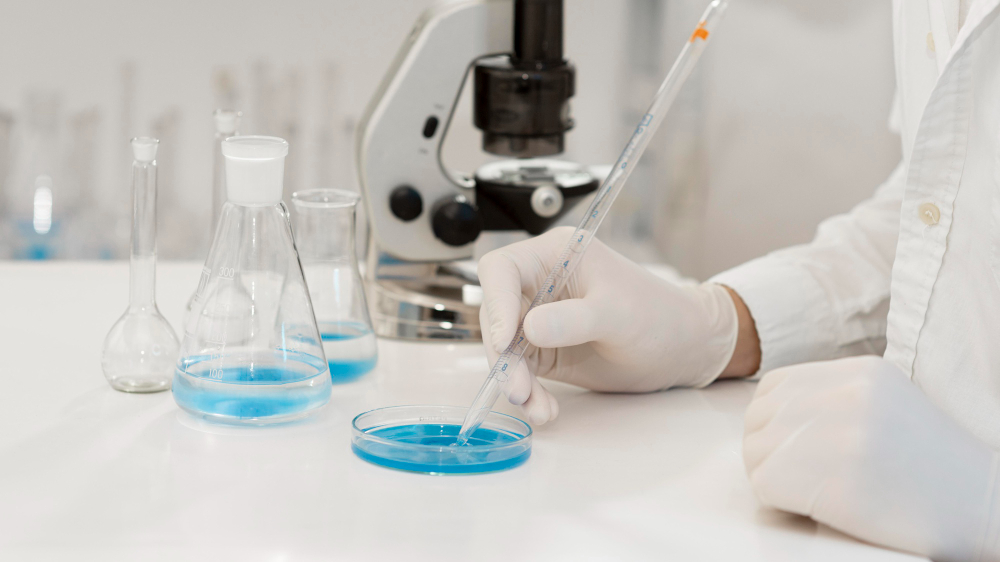
This process is not simply about "freezing cells." It encompasses every step from sample collection and cell selection, through to culture expansion and long-term storage in a certified, controlled environment.
How Is Stem Cell Banking Different from Ordinary Cell Freezing?
What sets Stem Cell Banking apart from conventional freezing is its focus on cell quality, not just quantity. A properly standardised process addresses five core dimensions:
- Cell Quality — Only healthy cells that have not yet entered a degenerative phase are selected
- MSC Expansion — Mesenchymal Stem Cells are cultured and expanded to a quantity sufficient for future use
- Cell Viability — The survival rate of cells is assessed both before and after storage
- Cryopreservation — Cells are frozen at –196°C using liquid nitrogen to halt all degenerative processes
- Long-term Stability — Storage is maintained under GMP/ISO-certified conditions to preserve quality over the long term
How Does Stem Cell Banking Work?
| Step |
Details |
| 1. Sample collection |
Collected from an appropriate source — blood, fat tissue, teeth, or umbilical cord |
| 2. Cell isolation |
Stem cells are separated from other cell types in a certified laboratory environment |
| 3. Culture expansion |
Stem cells are multiplied to a quantity sufficient for storage and future use |
| 4. Quality assessment |
Cell Viability and cell characteristics are measured prior to storage |
| 5. Cryopreservation |
Cells are frozen at –196°C to halt long-term degradation |
| 6. Long-term storage |
Cells are stored under GMP/ISO Class 5 standards with continuous monitoring |
Why Does Stem Cell Banking Matter?
The concept behind Stem Cell Banking is rooted in a biological reality: the body's cells deteriorate over time, affected by age, environmental factors, and lifestyle.
Collecting and storing stem cells while the body is still healthy means preserving the highest-quality cells available at that point in time — expanding future health options in ways that cannot be predicted or guaranteed later.
How Does Stem Cell Banking Connect to Future Healthcare?
The medical field globally is shifting from "treating illness when it arrives" toward "restoring and protecting health at the cellular level." Stem Cell Banking is one of the key foundations enabling this shift, across three core dimensions:
- Regenerative Medicine — Using stem cells to restore and repair deteriorating tissues and organs
- Cellular Health — Managing health at the cellular level to slow the body's natural decline
- Longevity & Healthy Aging — Extending healthy lifespan, supported by the individual's own biological resources

Who Should Consider Stem Cell Banking?
Stem Cell Banking is not exclusive to any one group. Its relevance varies depending on life stage and personal health goals.
Families Who Are Pregnant or Planning to Give Birth
Collecting stem cells from the umbilical cord, placenta, or amniotic membrane at birth is a once-in-a-lifetime opportunity. Cells collected at this stage are at their youngest — they have not yet been affected by aging, environmental exposure, or illness of any kind.
Adults Seeking Proactive Health Planning
Banking your own stem cells in adulthood — from blood, fat tissue, or teeth — is suited to those who want to preserve their own biological assets before cellular quality naturally declines with age. The earlier the collection, the higher the cell quality.
Those Interested in Longevity and Healthy Aging
For those who prioritise long-term health and cellular-level anti-aging, Stem Cell Banking is one of the approaches attracting growing interest within the field of Longevity Medicine.
What Is AVIOLA Biobank?
AVIOLA Biobank is a Thai organisation specialising in Stem Cell Banking and Regenerative Biotechnology, with a commitment to cell quality at every stage of the process — from newborn stem cell collection through to adult self stem cell banking.
AVIOLA's Standards and Technology
- GMP/ISO Class 5 Laboratory — International-standard laboratory for cell isolation and culture expansion
- Cryopreservation at –196°C — Liquid nitrogen freezing system to preserve cells in optimal condition over the long term
- MSC Expansion Technology — Proprietary technology for culturing and expanding high-quality Mesenchymal Stem Cells
- No Growth Factor Stimulation — AVIOLA is the first institution in Thailand to collect MSCs from blood without the need for stimulation injections, making the process safer than conventional methods
- Cell Viability Monitoring — Cell survival rates are assessed before and after every storage procedure
| Service |
Details |
| Umbilical Cord Stem Cells |
Collected at birth from cord blood and umbilical cord tissue |
| Fat-Derived Stem Cells (ADSCs) |
A small amount of fat is aspirated from the abdomen, thigh, or hip |
| Blood-Derived Stem Cells (PBSCs) |
Collected via a standard blood draw — no surgery, no stimulation injections |
| Dental Stem Cells (DPSCs) |
Collected from baby teeth that are naturally falling out, or wisdom teeth being extracted |
Summary
Stem Cell Banking is the process of preserving high-quality stem cells using Cryopreservation technology, in order to maintain their biological potential over the long term and expand future health options.
In an era where Future Healthcare is moving decisively toward cellular-level health management, planning ahead today may be more meaningful than it first appears.
What to consider before getting started:
- Assess your current life stage — are you expecting a child, or are you an adult ready to invest in your own long-term health?
- Choose the right collection source — umbilical cord, blood, fat tissue, and teeth each have different properties
- Consult a specialist — to design an approach tailored to your body and personal health goals
Frequently Asked Questions (FAQ)
What is Stem Cell Banking?
Stem Cell Banking, or a stem cell biobank, is the process of storing the body's stem cells using Cryopreservation technology at –196°C, in order to preserve cell quality and potential over the long term for use in future health planning.
What is Cryopreservation?
Cryopreservation is a cell-freezing technology that stores cells at –196°C using liquid nitrogen, halting all degenerative processes and preserving cellular integrity for the long term. Cells that have undergone properly standardised Cryopreservation remain viable and can be used when retrieved from storage.
What is an MSC?
MSC stands for Mesenchymal Stem Cell — a type of stem cell found in multiple locations throughout the body, including fat tissue, blood, teeth, and the umbilical cord. MSCs have high potential in Regenerative Medicine because of their ability to develop into several cell types, including bone cells, cartilage cells, and fat cells.
Where can stem cells be collected from?
Stem cells can be collected from four main sources: the umbilical cord and placenta (available only at birth), blood, fat tissue, and teeth. Each source yields cells with different characteristics and properties. Choosing the most appropriate source should be done in consultation with a specialist.
How is AVIOLA Biobank different from others?.
AVIOLA Biobank is the first institution in Thailand to develop a technique for collecting and expanding MSCs from blood without the need for stimulation injections — making it safer than conventional methods. All procedures are conducted under GMP/ISO Class 5 laboratory standards, with a rigorous focus on Cell Quality and Cell Viability at every stage.
What is Regenerative Medicine?
Regenerative Medicine is a medical approach focused on restoring and repairing tissues and organs that have deteriorated or been damaged, using the body's own cells as the foundation — rather than relying solely on pharmaceutical treatment or surgery. It is currently considered one of the most significant directions in Future Healthcare worldwide.