Is Stem Cell Banking Worth It? For Your Child’s Future

Is Stem Cell Banking Worth It? For Your Child’s Future
For many parents, caring for a child does not end on the day of a safe delivery. It extends into long-term health planning—how to provide the best possible future for their child.
One of the questions modern parents are increasingly asking is:
“Is stem cell banking worth it?”
Especially during the newborn stage—a once-in-a-lifetime window when a child’s stem cells can be collected and preserved.
In this article, AVIOLA will guide you step by step—from understanding what stem cells are, their benefits, what can be collected at birth, to the key question of whether stem cell banking is a worthwhile long-term health decision.
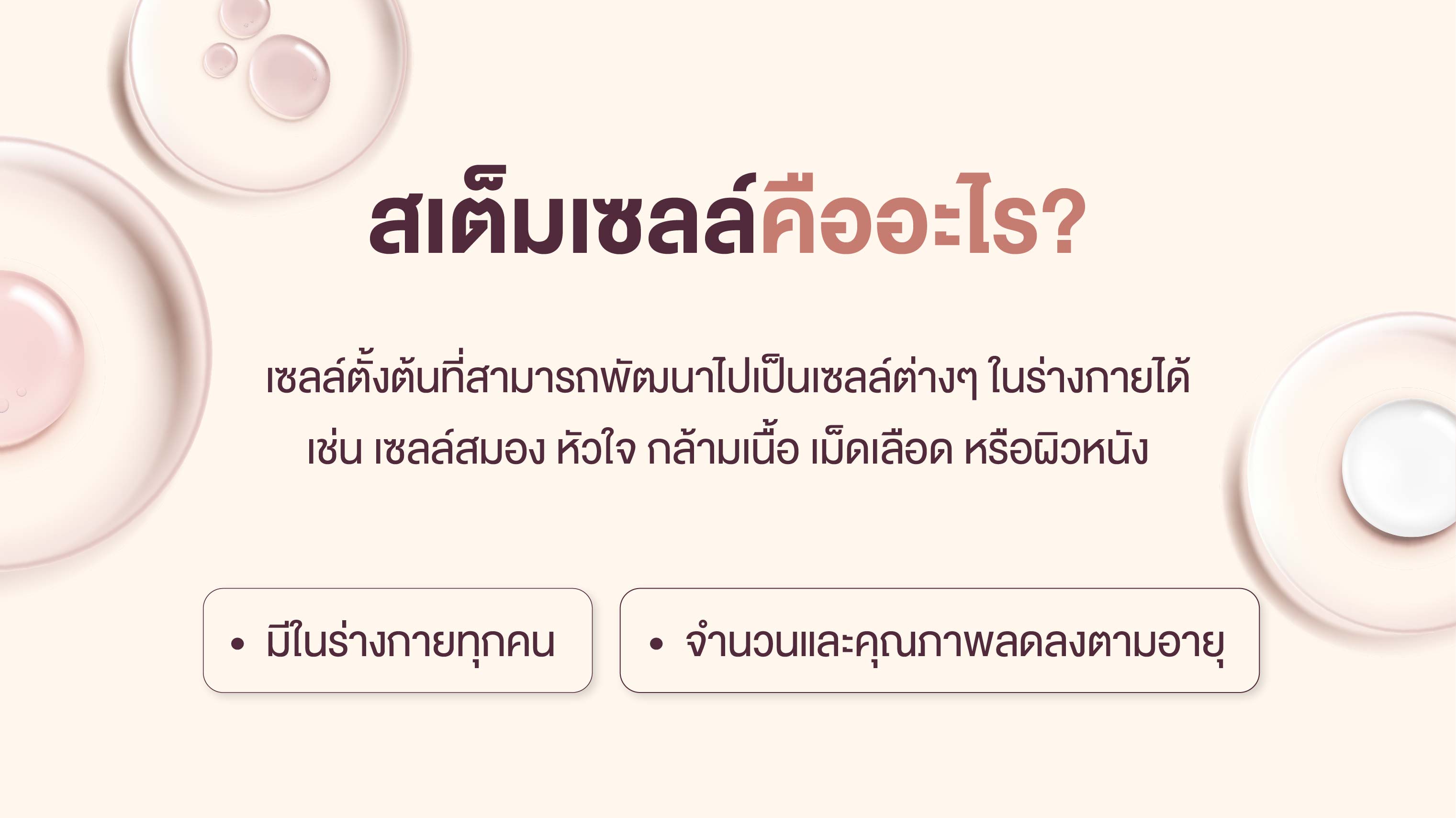
What Are Stem Cells?
- The ability to self-renew (replicate themselves)
- The ability to differentiate into various types of cells
Simply put, stem cells act as the body’s “raw materials,” supporting repair, regeneration, and replacement of damaged cells in the future.
Stem Cells Exist in Everyone
- Placenta
- Umbilical cord
- Blood
- Bone marrow
- Adipose tissue
- Certain organs
These cells play a vital role in maintaining balance and supporting the body’s natural repair mechanisms.
Key Types of Stem Cells
In health applications, two main types are commonly discussed:
1. Hematopoietic Stem Cells (HSCs)
Responsible for producing blood cells
Essential for immune system function
2. Mesenchymal Stem Cells (MSCs)
Support tissue repair and regeneration
Help modulate inflammation
What Happens When Stem Cells Decline?
As we age—or when the body is exposed to stress, pollution, inflammation, and degeneration—the quantity and quality of stem cells naturally decrease.
As a result, the body’s ability to repair and regenerate declines.
This is one reason why many people consider preserving stem cells while they are still at their strongest.

Benefits of Stem Cells
- Support the body’s natural repair and regeneration processes
- Involved in medical approaches for over 80 conditions, particularly blood, immune, and certain genetic disorders
- Widely studied in regenerative and longevity medicine
- Support tissue health (bones, joints, muscles, skin)
- Contribute to anti-aging and skin health, including collagen support and skin balance
- Provide future health options, offering flexibility in an unpredictable future
However, stem cells are not a miracle cure, but rather a promising medical option that must be guided by medical professionals.
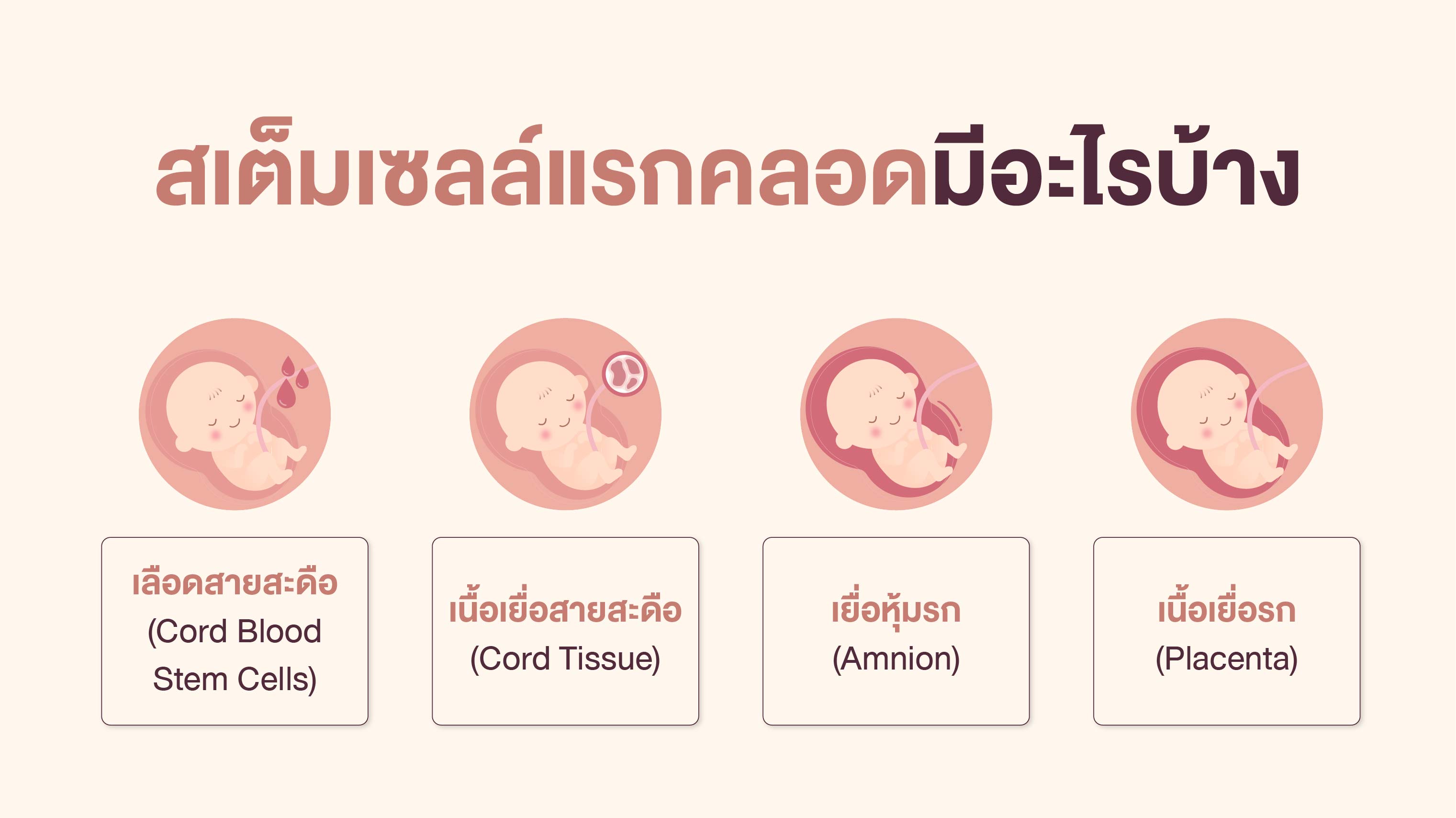
What Stem Cells Can Be Collected at Birth?
The newborn stage is a unique, one-time opportunity to collect valuable biological resources:
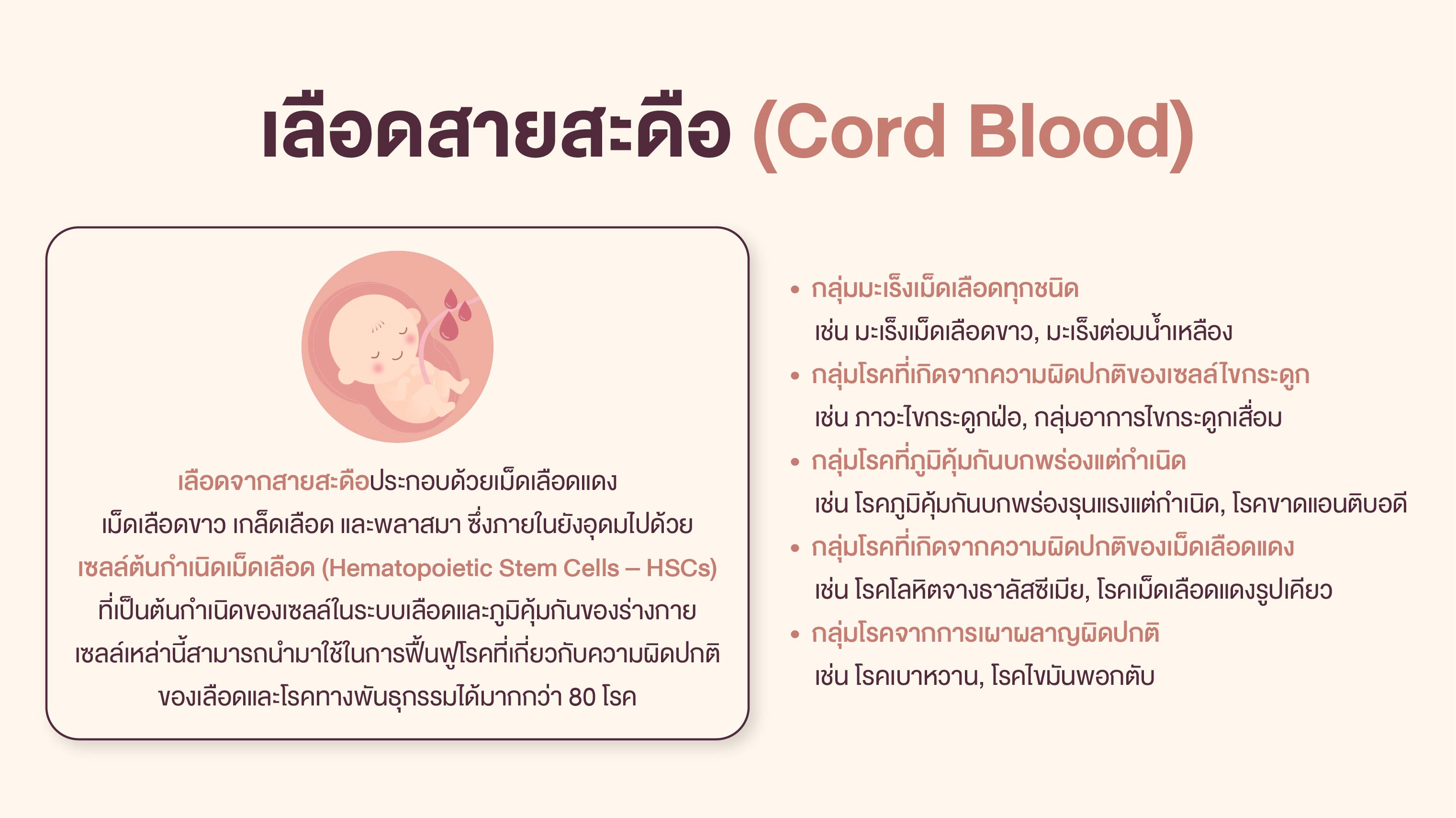
1. Cord Blood
A rich source of Hematopoietic Stem Cells (HSCs). Used in medical applications for over 80 conditions, including:
- Leukemia and lymphoma
- Bone marrow disorders
- Congenital immune deficiencies
- Blood disorders (e.g., thalassemia, sickle cell anemia)
- Metabolic diseases
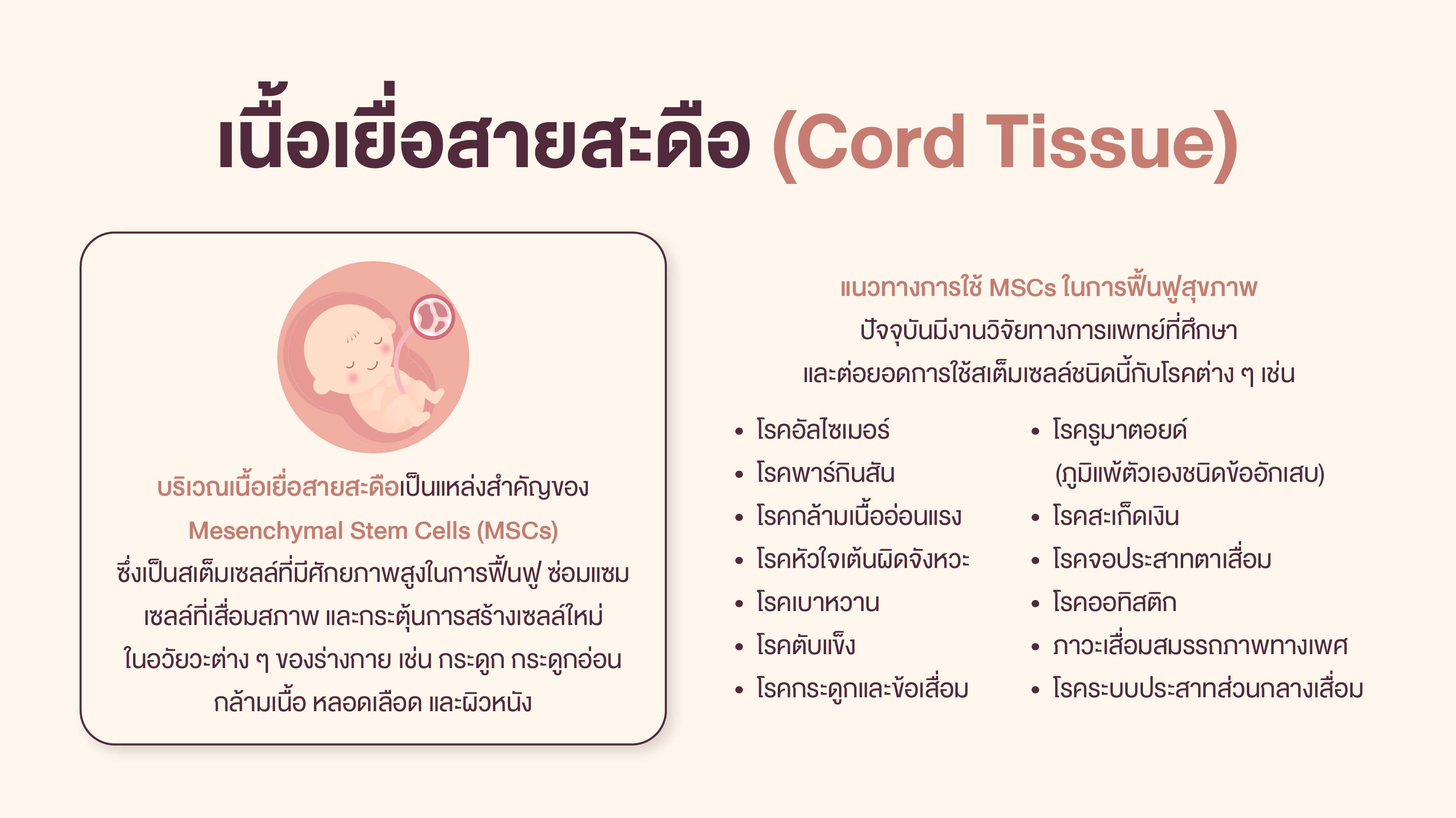
2. Cord Tissue
A source of Mesenchymal Stem Cells (MSCs). Supports tissue repair and regeneration across:
- Bone
- Cartilage
- Muscles
- Blood vessels
- Skin
Research continues in areas such as: Alzheimer’s, Parkinson’s, diabetes, heart conditions, arthritis, autoimmune diseases, and more
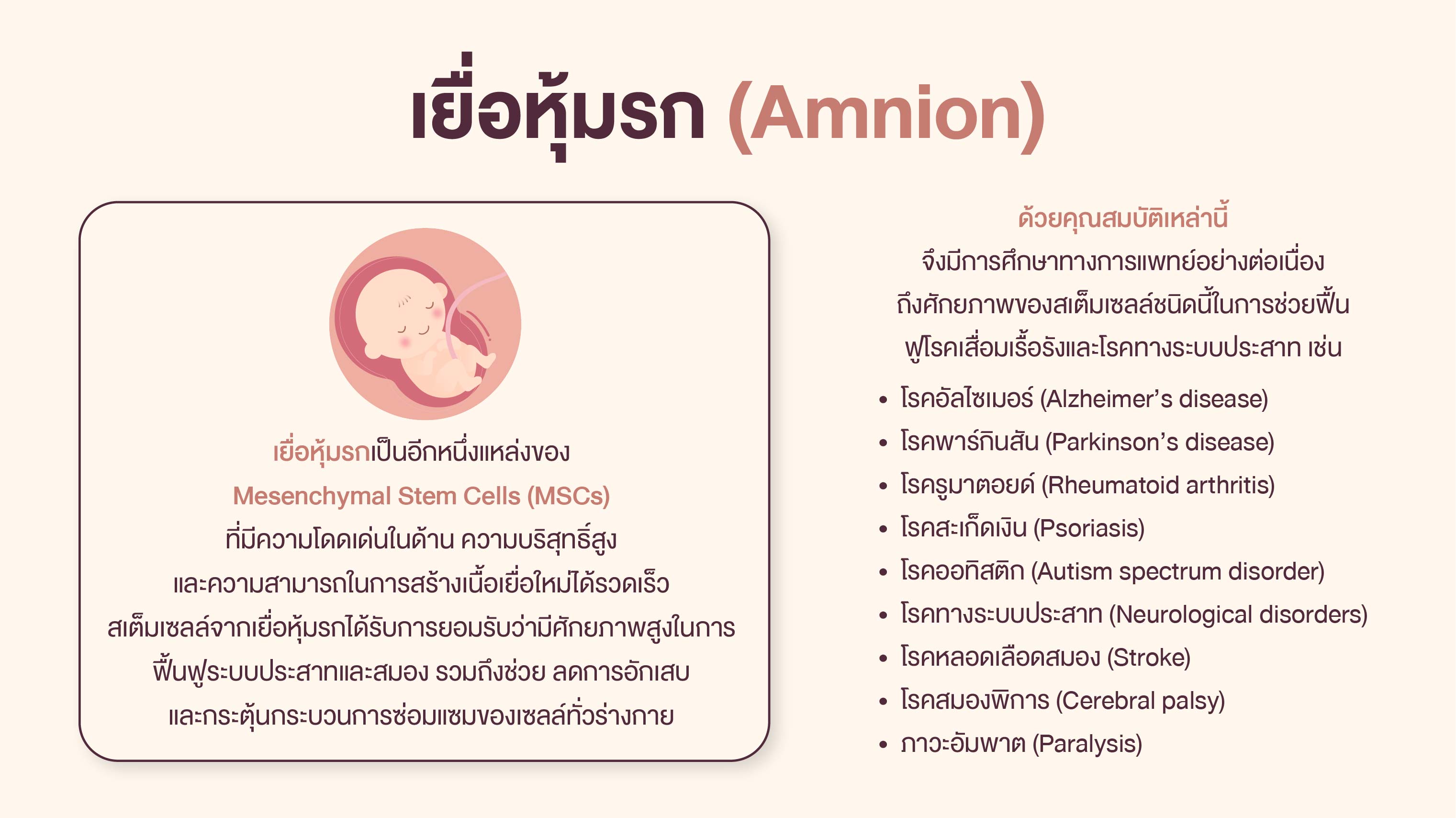
3. Amnion (Amniotic Membrane)
A highly pure source of MSCs with strong regenerative potential
Studied for:
- Neurological conditions
- Stroke
- Cerebral palsy
- Paralysis
- Autoimmune diseases
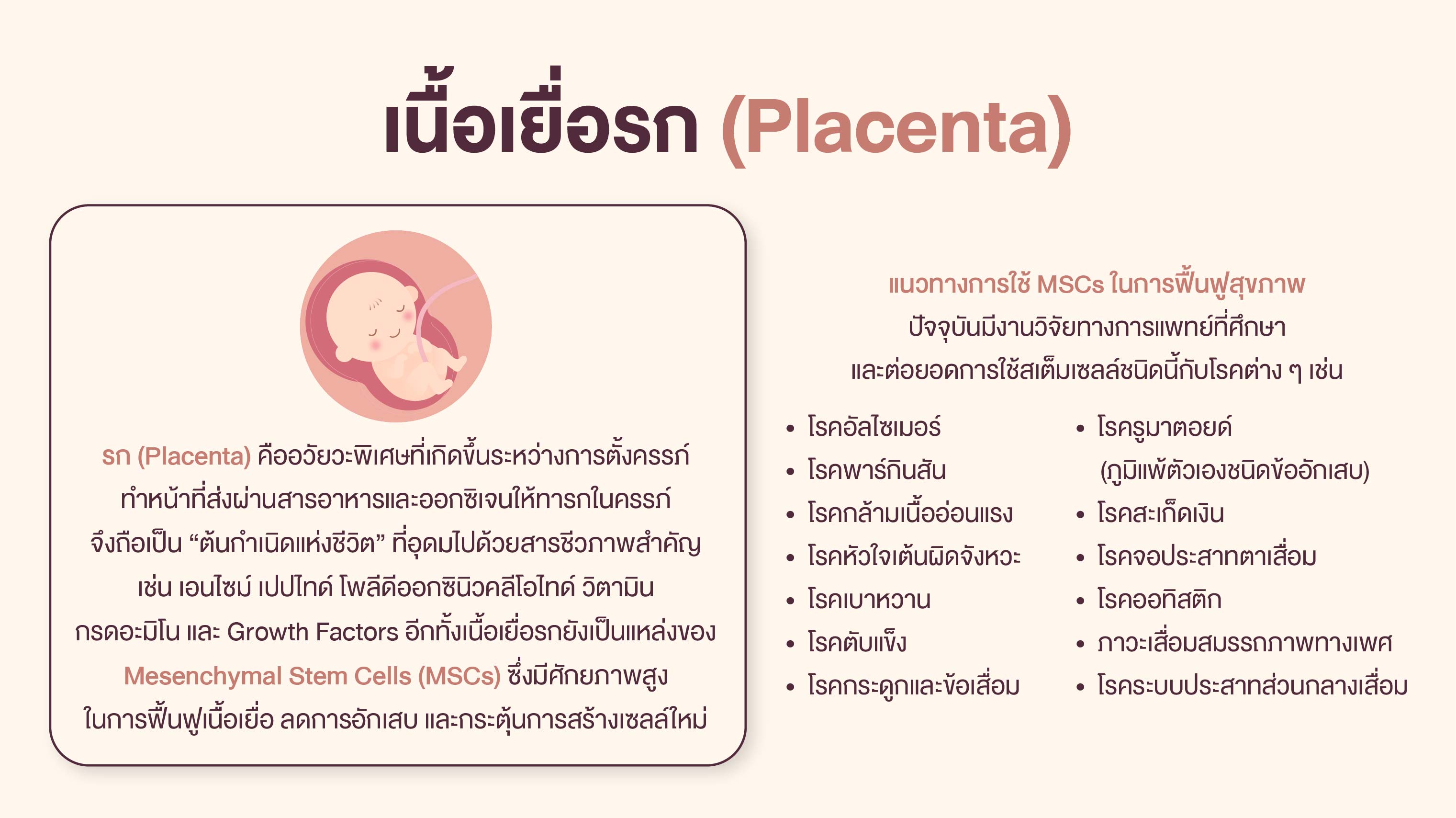
4. Placenta
A biologically rich organ containing:
- Growth factors
- Amino acids
- Peptides
- Stem cells (MSCs)
- Tissue regeneration
- Inflammation reduction
- Cellular repair
Also increasingly explored for maternal recovery and skin health, including collagen support and skin rejuvenation.
More Than One Source
Newborn stem cell banking is not about collecting from a single source—but preserving a complete set of biological resources that may benefit both the child and, in some aspects, the mother and family in the future.

Is Stem Cell Banking a Good Decision?
For many families, stem cell banking is a thoughtful long-term health strategy.
It is not about expecting illness, but about preparing options and peace of mind for an uncertain future.
The decision is not driven by fear—but by knowledge, understanding, and intention to preserve the best biological assets for a child’s future.

How Long Can Stem Cells Be Stored?
- Stem cells can be preserved long-term, potentially for a lifetime
- Requires advanced cryopreservation systems
- Strict laboratory standards
- Continuous quality monitoring
For many families, this is not just storing “cells”—but storing future health opportunities
Conclusion
So, is stem cell banking worth it?
For many families, it is an increasingly valuable option in long-term health planning. Because stem cells play a key role in regeneration and balance—and birth is the only opportunity to collect them at their highest quality. Ultimately, there is no single right answer for every family.
But for those who wish to preserve options and peace of mind, stem cell banking represents a meaningful investment in their child’s future—starting from day one.
Start Your Child’s Future with AVIOLA Biobank
We are committed to supporting every step of stem cell banking with the highest standards of quality, safety, and long-term care.
Contact Our Stem Cell Specialists
For more information about stem cell banking:
Line: @AVIOLA
Phone: +66 64 629 8791