Fertility After 30: Does Egg Count Decline?

Is Egg Count Really Declining in Women Over 30? Know Before Planning for a Baby
As you step into your 30s, many women may begin to have certain quiet questions in their minds especially questions about the future, having children, and the sense that the body’s timing seems to move faster each year.
Some may not be ready to have children yet. Some are focusing on building stability in life. Some may not have found the right timing. At the same time, there is often a lingering question:
If time passes further, will the chances of having a child decrease?
This article will help you understand when egg count begins to decline, how being 30+ affects fertility, what signs to observe,
and ways to care for your health to support egg quality and long-term fertility.
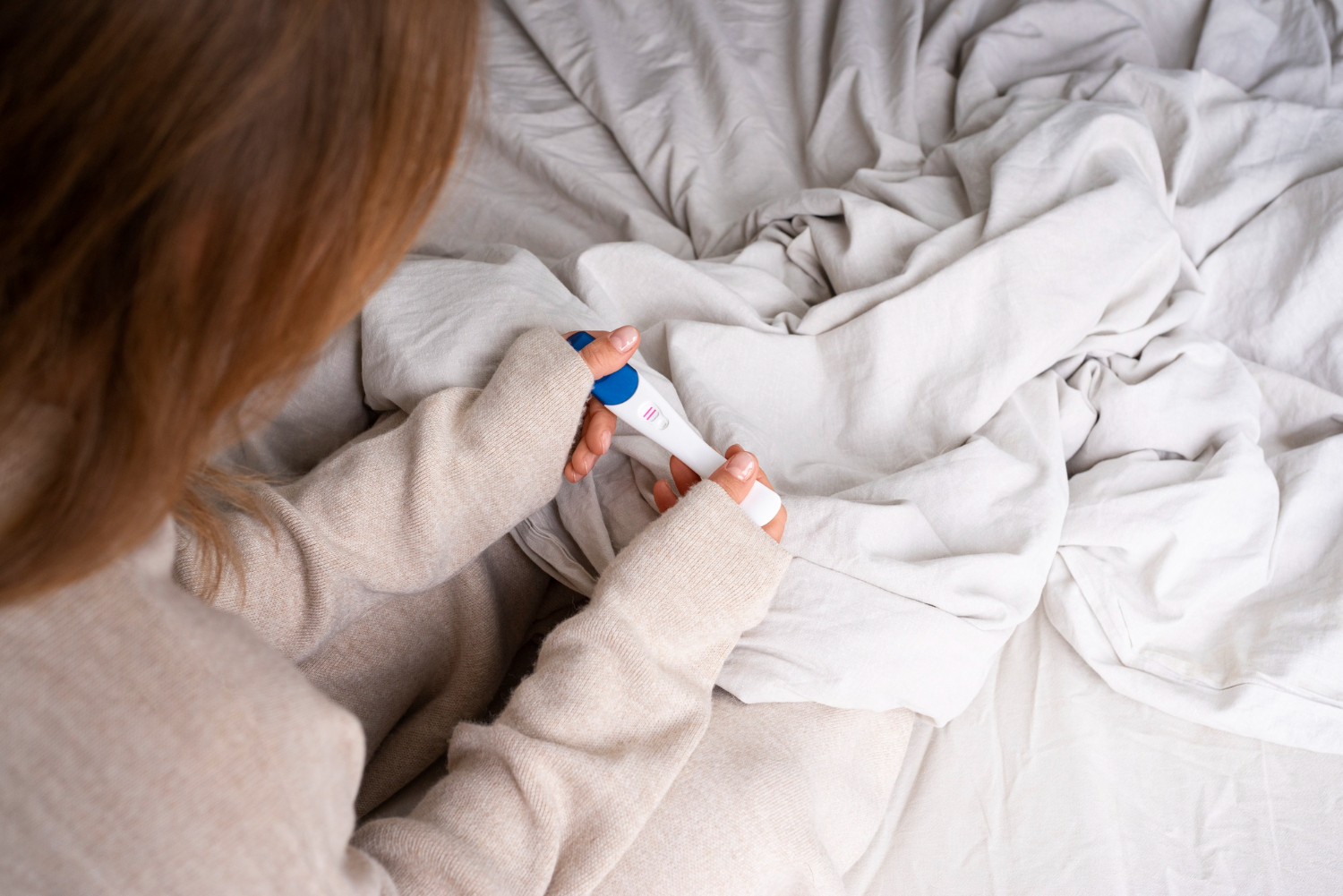
When Does Egg Count Begin to Decline?
Every woman is born with a limited number of eggs. Unlike some systems in the body that can regenerate, “eggs” are a biological resource that gradually decreases over time.
At birth, a female has approximately 1–2 million eggs.
By puberty, this number decreases to around 300,000–400,000. After that, it continues to decline each month.
Although only one egg is ovulated in each cycle, many others naturally degenerate during the same cycle.
Importantly, this change does not happen suddenly. It gradually progresses with age especially after the age of 30,
and becomes more noticeable after 35, both in terms of quantity and quality of eggs.

How Does Being 30+ Affect Fertility?
As age increases, it is not only the number of eggs that changes, but also the quality of eggs. Both factors play an important role in the chances of conception.
Generally, when women enter their 30s, fertility naturally begins to change including a possible decrease in natural conception rates, longer time needed to conceive, and increased risk of chromosomal abnormalities with age.
However, age 30 is not a point of alarm. Many women at this stage still have good chances of conceiving, especially with proper health planning and early attention to their bodies.

What Are the Signs That Fertility May Be Changing?
In many cases, declining fertility may not show obvious symptoms. However, the body may present subtle signs such as:
- Irregular menstrual cycles
- Changes in menstrual flow
- Symptoms related to hormonal imbalance
- Lower-than-expected AMH (Anti-Müllerian Hormone) levels
These signs do not always mean infertility, but they are signals worth paying attention to especially for women planning to have children in the future.
Hormone testing and fertility evaluation are important tools to better understand your body and to support more accurate future planning.

How to Maintain Egg Quality for Women Over 30
Although we cannot increase the natural number of eggs, we can take care of egg quality and overall health.
1. Maintain a balanced diet
Nutritious foods—especially those rich in antioxidants, vitamin C, vitamin E, omega-3, and high-quality protein may help support overall cellular health.
2. Get enough sleep
Sleep has a greater impact on hormones than many people realize. Chronic sleep deprivation may affect overall balance in many ways.
3. Reduce chronic stress
Long-term stress affects not only emotions but also hormonal balance, ovulation, and overall health.
4. Exercise appropriately
Regular movement supports metabolism, hormonal balance,
and reproductive health but should be done in moderation.
5. Avoid behaviors that harm egg quality
Such as smoking, excessive alcohol consumption, chronic sleep deprivation, and long-term exposure to certain chemicals.
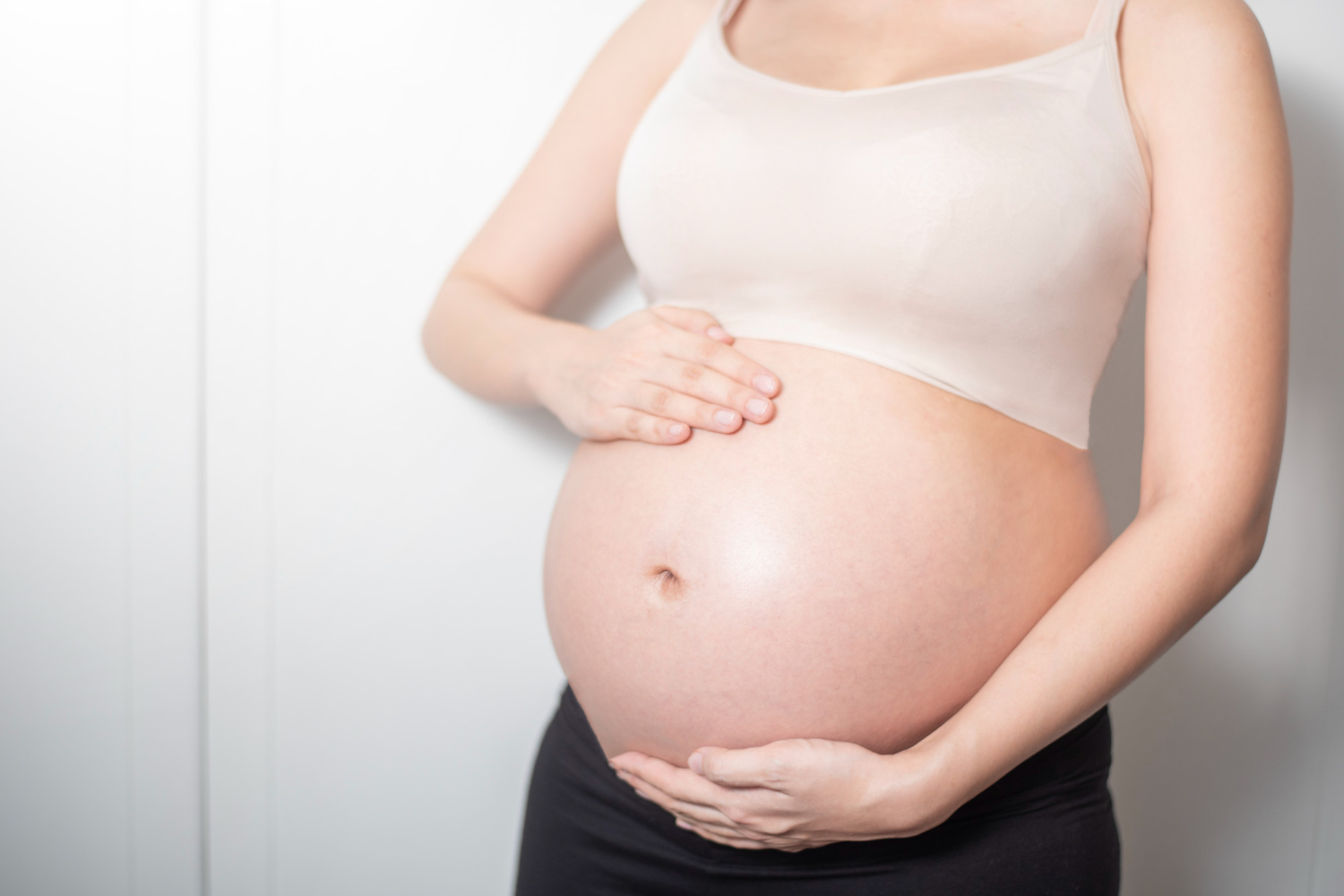
If You Are Not Ready to Have Children Yet, What Should You Do?
For many women, the question is not just “Do I want children?” but “When do I want them?” and “Will my body still be ready at that time?” If you are not ready now, the key is not pressure but informed planning.
Options that are becoming more common include:
- Hormone testing and ovarian reserve evaluation
- Ongoing reproductive health monitoring
- Planning with a doctor if pregnancy is not expected soon
- Egg freezing to preserve eggs while quality is still good
When Should You Start Planning for Having Children?
The answer is not “you must rush,” but “you should start being aware.”
Generally:
- Age 28–30: A good time to start paying attention and assessing your body
- Age 30–35: An important phase for future planning
- After 35: More serious fertility evaluation is recommended
Summary
Age 30 is not too late it is the right time to begin understanding your body. The decline in egg quantity and quality with age is a natural reality. This truth is not meant to create fear, but to provide information for more thoughtful life planning.
Age 30 is not a sign that it is “too late,” but a meaningful moment to care for your health, understand your body,
and prepare options for the future especially if you wish to have children one day. Because good planning is not about rushing, but about understanding yourself at the right time.